The Slow Burn: Why Waiting for Your Numbers to Drop Hits Different Than Any Instant Win

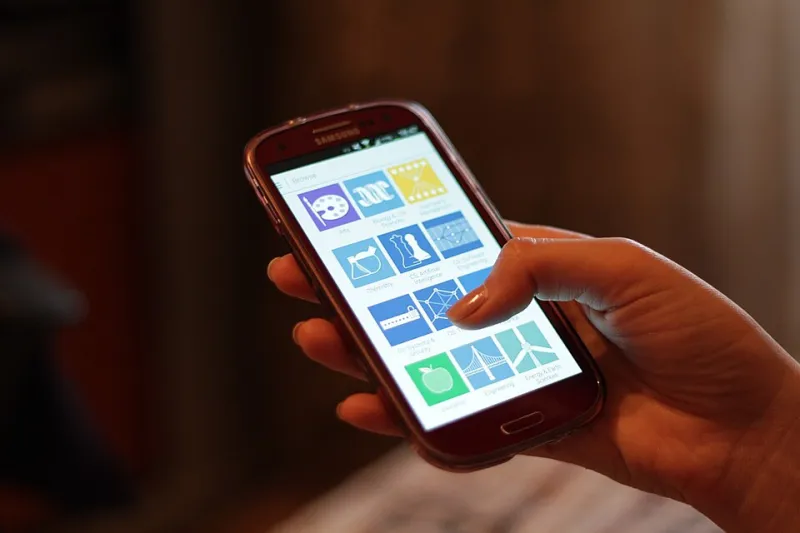
Photo: Ben Sutherland from Forest Hill, London, European Union, CC BY 2.0, via Wikimedia Commons
You've locked in your picks. Maybe it's a three-digit combo you've been running for weeks, or a fresh set you threw together on a gut feeling this morning. Either way, the numbers are in. The draw isn't for another six hours. And somehow, against all logic, you keep checking your phone.
That pull you're feeling? It's not a bug. It's the whole architecture.
The gap between selection and result — what researchers sometimes call the anticipation interval — is one of the most psychologically loaded moments in any game. And in number-picking games specifically, that window does something to the brain that instant-win formats simply can't touch.
Your Brain on "Not Yet"
Here's the short version of what's happening under the hood: your brain's dopamine system doesn't just fire when you win. It fires hardest during anticipation — when the outcome is unknown but possible. Neuroscientists have known this for a while, but gaming platform designers figured it out even faster.
Dr. Luke Clark, director of the Centre for Gambling Research at the University of British Columbia, has studied how near-misses and suspended outcomes keep players engaged far longer than clean wins or losses. The uncertain middle state — I picked, now I wait — keeps that dopamine loop running on a slow drip. You're not just playing a number game. You're marinating in possibility.
Instant scratch tickets give you the hit and it's over. Thirty seconds, done. But a daily draw game with a six-hour window? That's six hours of low-grade anticipation woven into your actual day. You're at lunch thinking about it. You're in a meeting half-distracted by it. That's not an accident.
The Engineering Behind the Tension
Modern number-picking platforms — the kind you're running off your phone between meetings — are built with this psychology baked in from the ground up. The draw schedule isn't arbitrary. The notification timing isn't random. The countdown clock on the results screen isn't just aesthetic.
Operators in the digital gaming space talk openly about "engagement architecture" — the structural decisions that keep users returning to an app not just to play, but to check. Every check-in is a touchpoint. Every touchpoint deepens the habit loop.
One product designer working in the mobile gaming space (who asked not to be named because they weren't authorized to speak publicly) put it plainly: "The worst thing for retention is a game that's completely over in ten seconds. You want players to carry the game with them. The waiting period is when the game lives in their head."
That's a calculated move. Platforms that offer multiple daily draws — say, morning, afternoon, and evening — aren't just giving you more chances to win. They're restructuring your day around a rhythm of anticipation and release. You're not just a player. You're on a schedule.
Why Delayed Gratification Feels Like Skill
Here's where it gets interesting from a player psychology standpoint: the waiting period actually changes how you feel about your picks.
When you scratch a ticket immediately, there's no time to build a story around your numbers. But sit with a pick for a few hours and something shifts. You start to feel like you made a decision. You remember why you chose those digits. Maybe it's a birthday combo, a jersey number, a date that means something. The wait gives your brain time to construct a narrative of intentionality around what is, technically, a game of chance.
Behavioral economists call this the illusion of control — and it's significantly stronger in games with delayed outcomes than in purely instant formats. The longer the wait, the more ownership players feel over their selections. That ownership translates directly into repeat play. If you feel like you chose well, you'll want to choose again.
This is also why number-selection games have such strong communities built around them. The hours between pick and draw give players time to talk strategy, compare picks, second-guess themselves, and engage with other players. The waiting period is, in a very real sense, social time.
The Countdown Clock Is Doing More Than Counting
If you've used any modern number game app in the last few years, you've seen the countdown timer. It's everywhere — on the home screen, in push notifications, ticking down in the corner of the results page. That design choice is intentional in ways most players don't consciously register.
Countdown timers create temporal urgency even in low-stakes environments. They signal that something is about to happen, which triggers alertness. They also mark time in a way that makes the waiting feel finite and purposeful rather than just... empty. You're not just killing time. You're approaching something.
Combined with push notification strategies — a reminder an hour before the draw, another fifteen minutes out, a final buzz when results post — platforms can manufacture a mini-event out of every single draw cycle. For players checking in multiple times a day, those micro-events add up to a deeply habitual relationship with the app.
What This Means If You're Playing Smart
None of this is meant to spook you. Understanding the mechanics doesn't make the game less fun — if anything, it makes you a more intentional player. Here's what's worth keeping in mind:
The anticipation is part of the experience. If you're enjoying the wait, that's a feature you're getting value from. Own it. But also recognize when the anxiety of waiting starts to outweigh the enjoyment. That's the line worth watching.
Your attachment to your picks is emotional, not analytical. The numbers you've been running for six months feel meaningful because you've built a story around them over time — not because they're statistically superior. That's fine to acknowledge. It doesn't mean you have to stop playing them.
Platform rhythms are designed, not neutral. If you find yourself checking an app compulsively in the hours before a draw, that's the engagement architecture doing exactly what it was built to do. Set your own check-in schedule if you want to stay in the driver's seat.
The Wait Is the Game
Here's the thing nobody says out loud: in number games, the draw itself is almost secondary. The real game is everything that happens in between — the picking, the anticipating, the storytelling you do in your own head about what those numbers mean and why they're going to hit.
Platforms know this. That's why they're not just selling you a chance at a payout. They're selling you hours of possibility. That's a different product than a slot spin or a scratch card, and for a lot of players, it's a more compelling one.
At LuckyCode 88, we think that tension — that slow burn between lock-in and draw — is one of the most underrated parts of the whole experience. It's where the game actually lives. Play it with your eyes open, and it hits a lot better.