Every Number You Pick Is a Data Point: What Gaming Platforms Already Know About You
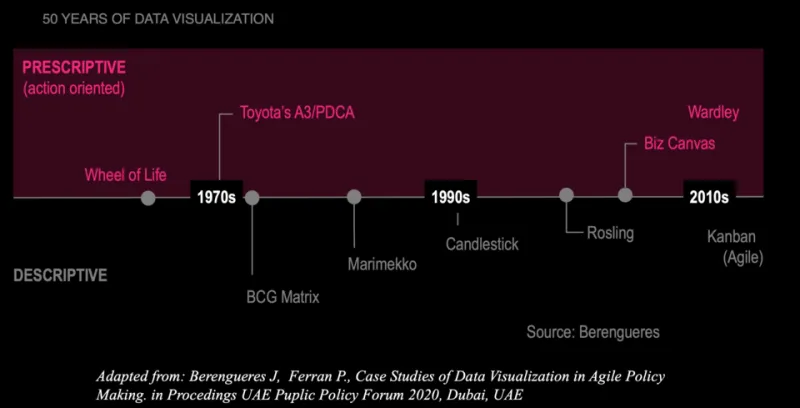
Photo: Jose Berengueres, CC BY-SA 4.0, via Wikimedia Commons
You're Not Just Playing a Game
Here's something worth sitting with the next time you punch in your go-to numbers: the platform isn't just recording your pick. It's logging the time of day, how long you hesitated, whether you changed your mind, what device you're on, and whether your selection lines up with a birthday, a holiday, or a regional trend it's seen ten thousand times before.
You're not paranoid for thinking the game knows something about you. It does. And the data trail you leave behind every time you play is a lot more detailed than most people realize.
Number selection games — lotteries, digital picks, fantasy-style number draws — have quietly become some of the richest sources of behavioral data in the entertainment space. Not because the platforms are sinister, exactly, but because understanding how players choose is genuinely valuable. It shapes game design, promotional timing, jackpot structure, and the kind of content that gets surfaced to you next time you log in.
What Aggregated Picks Actually Look Like
At scale, number-picking data starts to tell a surprisingly coherent story about American players. Researchers and platform analysts who study this stuff have found a few consistent patterns that show up again and again.
First, there's a strong gravitational pull toward the middle. Players across the country consistently avoid numbers at the extreme ends of a range. If a game goes from 1 to 50, you'll see a massive cluster of picks between 15 and 40. The edges feel unlucky to a lot of people, even though statistically they're identical to any other number.
Second, calendar bias is enormous. Birthdays, anniversaries, and meaningful dates create a near-universal tendency to skew picks toward numbers 1 through 31. Platforms can actually see this in aggregate — there's a measurable spike in low-number selections that doesn't correspond to any mathematical advantage, just human memory and sentiment.
Third, and this one gets interesting, regional culture shapes picks in ways that are genuinely measurable. Cities with large Asian-American communities show statistically higher rates of 8-heavy selections — think combinations like 8, 18, 28, 88. Meanwhile, certain Midwestern markets lean toward odd numbers in ways that don't show up on the coasts. Nobody told these players to pick differently. They just did, based on the cultural context they grew up in.
The Seasonal Layer Nobody Talks About
Beyond individual picks, platforms track when you play — and those timing patterns layer onto the number data in revealing ways.
New Year's is the most obvious example. Engagement spikes hard in late December and early January, and the number selections during that window shift noticeably. Players lean into culturally loaded numbers more heavily during the holidays. Lucky numbers from family traditions, numbers tied to the new year itself, combinations that "feel" like a fresh start — it's all there in the data.
Super Bowl weekend produces its own weird micro-trend. Jersey numbers. Scores from memorable games. The year a favorite team won. Players don't announce they're doing this, but the aggregate patterns make it obvious.
Summer months, by contrast, tend to produce more randomized, impulsive picks — shorter session times, less deliberate number selection, more first-instinct choices. Analysts read this as a seasonal shift in attention and engagement, and some platforms quietly adjust their promotional cadence to account for it.
Are You Being Profiled? (Yes, But Here's the Nuance)
The honest answer is: kind of, but probably not the way you're picturing it.
Most platforms aren't sitting there building a dossier on you personally. What they're doing is clustering — grouping you with players who behave similarly and using that cluster to make predictions about what you'll respond to. If you consistently pick birthday-adjacent numbers and play on Friday evenings, you might get surfaced a promotion tied to "personal milestones" rather than a generic jackpot ad. That's behavioral targeting, and it's standard across pretty much every digital entertainment space right now.
What makes number games a particularly rich data environment is the combination of frequency and intentionality. Players make deliberate choices repeatedly over time. That creates a pattern that's more stable and readable than, say, casual browsing behavior. Your number picks, taken over a dozen sessions, are actually a pretty reliable window into your psychology — your risk tolerance, your cultural influences, your emotional state when you play.
Platforms that are good at reading this data can do things like identify when a player is in a "chase" mindset (picking more aggressively after a loss streak) versus a "casual" mindset (playing lighter, less invested in the outcome). Those two states respond to very different kinds of engagement prompts.
What Savvy Players Can Take From This
Here's where it gets useful if you're a player who actually thinks about this stuff.
Knowing that platforms understand your patterns means you can be more intentional about why you pick what you pick. If you're loading up on birthday numbers because they feel lucky, that's fine — but recognize that you're sharing that preference with millions of other players. In games where prizes are split among multiple winners, popular number combinations can actually reduce your payout even when you win.
The numbers that platforms see picked least often — the ones at the edges of ranges, the combinations that feel "weird" or arbitrary — are statistically equivalent to any other picks, but they're less likely to be shared. If you ever hit with an unpopular combination, you're more likely to take home the full prize.
This isn't a guaranteed strategy. Nothing in a game of chance is. But it's the kind of thinking that separates players who are just having fun from players who are actually engaging with the structure of the game.
The Bigger Picture
There's something almost poetic about the fact that number games — some of the oldest forms of chance-based entertainment in human history — have become a window into modern behavioral data science. What started as street corner numbers rackets and paper lottery tickets has evolved into a platform ecosystem that knows more about your decision-making habits than most of your friends do.
At LuckyCode 88, we think the most interesting players are the ones who stay curious about this stuff. Not suspicious, not paranoid — just aware. The game is always running. The algorithm never clocks out. And every time you pick, you're telling it something.
Might as well make the pick count.