Chasing the 'Hot Hour': Why American Players Swear the Clock Knows Something They Don't

Ask around any online numbers community long enough and you'll hear it: don't play at noon, the boards are cold. Wait until the evening rush. Or better yet, that sweet spot right around 12:08 a.m. — the so-called '8-minute window' — when the day flips over and, supposedly, so does your luck.
None of this is written down anywhere official. No app tells you the best hour to play. And yet the belief spreads like a rumor in a break room, passed from one player to the next with total conviction. Somewhere along the way, timing became the newest lucky charm in American number gaming — right up there with birthdays and repeating digits.
Where the 'Hot Hour' Myth Comes From
The logic feels airtight if you don't look too hard. More people playing at certain times must mean more wins happening then, right? So if the 9 p.m. crowd is buzzing with screenshots of jackpots on social feeds, the hour itself starts to seem lucky.
It's the same mental shortcut that made Friday the 13th infamous. You notice the wins that happen during the hours you're online, and you never see the thousands of draws that happened while you were asleep. Psychologists call this a selection bias — you're sampling the world through your own schedule and mistaking it for the whole picture.
There's also a comfort factor. A random draw is genuinely out of your control, and that's a hard pill for the human brain to swallow. But choosing when to play? That feels like a decision. It hands players a small, harmless piece of agency in a game that is, by design, pure chance.
What the Traffic Data Actually Shows
Here's the twist: platforms really do see predictable rhythm in their numbers — just not the kind players imagine.
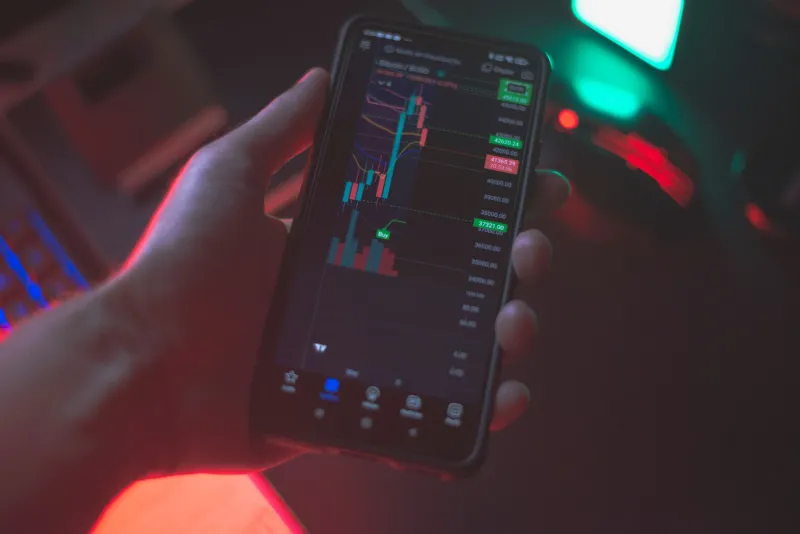
App usage across American gaming platforms tends to spike during a few reliable windows. The lunch break, roughly noon to 1 p.m., is one. The after-dinner stretch, from about 8 to 11 p.m., is the big one. And there's a smaller but loyal midnight crowd — night owls, shift workers, and insomniacs who treat a late-night draw like a nightcap.
So when players say 'the evening is hot,' they're accidentally describing something real: that's when the most people are playing. What they're not describing is the odds. A well-run draw doesn't care whether it's 12:08 a.m. or 3:47 p.m. The probability of any given number combination is the same at every hour of the day. Volume of players changes; the math doesn't.
In other words, the data confirms when people play — and quietly debunks when people win.
The Ritual Is the Point
Talk to regular players and a pattern emerges: the timing ritual matters less as a strategy and more as a habit anchor. The 12:08 a.m. player isn't really chasing better odds — they're marking the end of their day with a small, personal ceremony. The lunch-break crowd is carving out five minutes of 'me time' between meetings.
There's something almost wholesome about it, in the same way a baseball player adjusting his batting gloves between pitches is wholesome. Rituals make uncertain situations feel manageable. They give structure to randomness.
The line to watch, though, is when ritual slides into rationalization. 'I only win after 10 p.m.' can quietly become 'I should keep playing past 10 p.m. until I win' — and that's the kind of thinking that turns a fun habit into an expensive one.
A Quick Reality Check from the 88
At LuckyCode 88, we love a good superstition — the number 88 exists in this domain partly because billions of people consider it the luckiest digit combo on Earth. But there's a difference between a charm and a strategy.
A charm makes the game more fun. A strategy you don't have makes you chase losses. So enjoy your midnight window if that's your thing. Set a reminder, pour your coffee, play your numbers like it's a nightly ritual. Just know the clock is decoration, not edge.
The draw doesn't know what time it is. The only thing your lucky hour truly controls is how much you enjoy the wait — and honestly, that might be worth more than any imaginary edge anyway.
Play the hours you like, budget the money you'd spend anyway, and let the clock be a charm instead of a crutch. That's the real winning timing.