How an 88-Cent Wager Became the Most Persuasive Price in American Gaming Apps
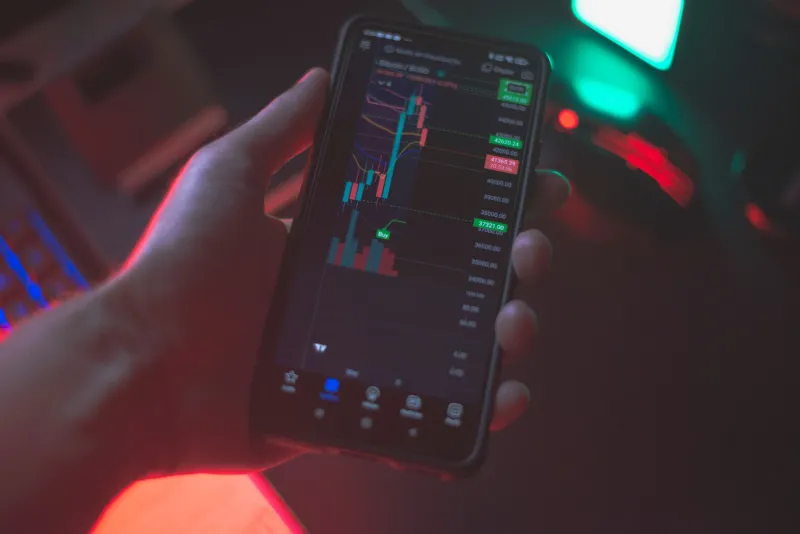
Scroll through the stake selectors on today's hottest number games and you'll notice something odd. Nobody's asking for a dollar. They're asking for 88 cents. Or 77. Or 1.88. These aren't rounding errors or payment processing quirks — they're some of the most carefully engineered price points in the entire American gaming app economy.
If you've ever topped up a balance and thought, "eh, it's less than a buck," congratulations: the pricing worked exactly as designed.
The Magic of the Almost-Dollar
Psychologists call it "just-below pricing," and American retail has run on it for a century. The $0.99 price tag is so ubiquitous that most of us have gone numb to it. But 88 cents hits differently, and here's why.
First, there's the classic left-digit effect. Your brain anchors on the leading number — eight — and mentally files the transaction under "under a dollar." The 12-cent difference between 88 cents and a full dollar feels trivial, even though over dozens of plays, those dimes add up fast.
Second, the specificity itself does work. A flat $1.00 price feels like a corporate price tag. 88 cents feels considered — like someone calculated the exact right amount. Behavioral research suggests oddly specific numbers read as more honest, more precise, more "fair." It's the same reason a used car listed at $8,887 feels like a real price while $9,000 feels like an opening bid.
Why 88 Specifically? Blame (or Thank) the Number Game
If you've read our piece on why 88 is basically a cheat code in Asian gaming culture, you already know the backstory. In Chinese numerology, eight is the number of prosperity — its pronunciation echoes a word for wealth, and doubled up, as in 88, it's practically a blessing. License plates with 88 in them sell at auction for absurd premiums. Phone numbers containing 88 are business assets.
So when gaming platforms — many with roots in Asian markets or built for diaspora audiences — started designing micro-stake products, 88 was the obvious choice. It signals luck. It signals cultural fluency. And it smuggles a whole numerology system into a price tag that American players absorb even when they've never heard of the superstition behind it.
The migration into the mainstream US market happened the way most cultural imports do: gradually, then all at once. Sweepstakes-style number apps, social casinos, and crypto-powered pick-and-win games adopted 88-cent entry tiers, 88-coin bonus packs, and "88x multiplier" promotions. Today you'll find the pattern across app stores from coast to coast, played by people who have no idea they're participating in a tradition that started in Macau bodegas and Hong Kong mahjong parlors.
Small Prices, Big Feelings
Here's where the psychology gets genuinely interesting — and a little uncomfortable.
A micro-stake reframes the entire emotional math of playing. Losing 88 cents doesn't register as losing a dollar; it registers as almost nothing. One latte a month. Spare change in the couch. That framing lowers the guardrails we normally apply to spending decisions, which is precisely why micro-stakes number games have pulled in players who never touched a lottery ticket or a sportsbook.
But the flip side is that wins get framed small too — and that's the clever part. Win $8.88 on an 88-cent play and your brain processes it as "I more than doubled my money," a 10x return. Never mind that in absolute dollars it's less than a combo meal. Percentage framing makes micro-wins feel enormous, while the corresponding micro-losses feel weightless. It's a structure where the emotional ledger is permanently tilted toward the house.
Multiply that by volume — quick rounds, fast reloads, one-tap top-ups — and the pennies flow like water. This is the same frictionless-spending logic that made in-app purchases a hundred-billion-dollar industry, now applied to games of chance.
What the Regulators See
So is any of this illegal? Mostly, no — but it's increasingly watched.
In the US, gambling regulation is a patchwork. State lotteries and licensed casinos face strict rules on advertising, payout disclosure, and age verification. But the gray-market ecosystem of sweepstakes-style number games and social casinos lives in a murkier zone, often structured to technically comply with sweepstakes laws while borrowing every psychological trick from the casino floor.
The FTC has taken a growing interest in dark patterns — design choices that nudge users toward purchases they didn't fully intend to make — and just-below pricing paired with one-tap micro-transactions sits squarely in that conversation. Several state attorneys general have opened inquiries into social casino and sweepstakes gaming models. Meanwhile, app store policies from Apple and Google have tightened around loot-box mechanics and transparent odds disclosure, pushing operators toward clearer (if not always clearer enough) labeling.
Nothing currently on the books specifically outlaws lucky-number pricing. Eighty-eight cents is, legally speaking, just a price. Whether it should be treated as something more — a deliberate exploitation of cognitive bias — is the kind of question regulators tend to answer a decade after everyone can see the answer.
Playing Smart When the Price Is Designed to Disappear
None of this means you need to swear off number games. Plenty of us at LuckyCode 88 enjoy a pick-and-win session as much as anyone. But a few habits go a long way:
- Convert to real dollars. Before you tap buy, translate 88 cents into what it actually is over a month of play. Twenty sessions is $17.60 — that's real money.
- Watch the percentage trap. "10x your stake!" on a sub-dollar bet is still under ten bucks. Judge wins in dollars, not multipliers.
- Set a hard top-up limit. Micro-stakes work because individual decisions feel weightless. A monthly cap makes the aggregate visible again.
- Notice the number. Once you see 88, 77, and 1.88 everywhere, the spell weakens a little. Pricing loses power when you can name the trick.
The 88-cent bet isn't evil. It's just engineered — by people who understand both an ancient numerology and a very modern science of the wallet. Knowing that doesn't make the game less fun. It just means the next time an 88-cent offer slides across your screen, you're the one holding the code.