That Buzz in Your Pocket Isn't Random: The Dark Science Behind Gaming Push Notifications
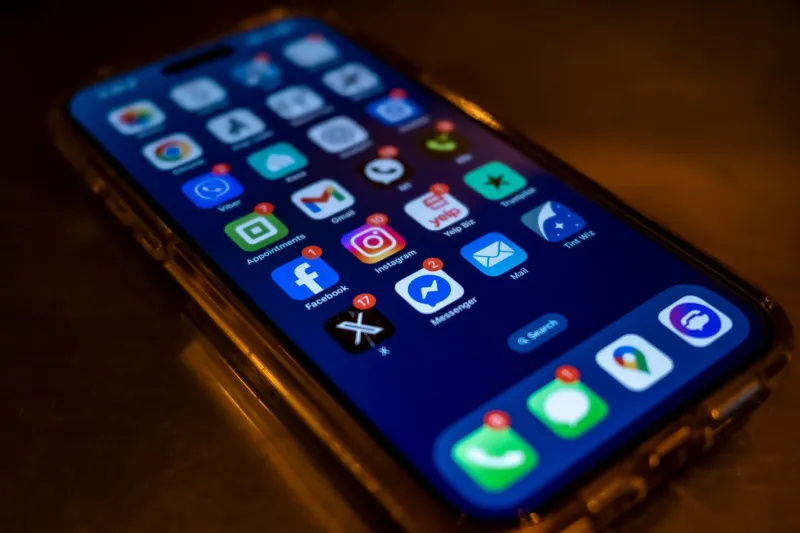
Your phone buzzes at 9:47 on a Tuesday night. The message reads something like "Your numbers are heating up — don't miss tonight's draw." You weren't thinking about the game five seconds ago. Now you're opening the app.
That's not a coincidence. That's engineering.
Gaming platforms — from state lottery apps to offshore number games to crypto-based draw platforms — have spent years refining notification systems that are less about keeping you informed and more about keeping you in. And the science they're drawing from is the same behavioral psychology used by social media giants, fast food chains, and casinos. If you play any kind of number game on your phone, this is something you genuinely need to understand.
The Timing Isn't Accidental
Push notifications sent by gaming platforms aren't scheduled by a bored intern hitting "send" at random. They're algorithmically timed based on your personal behavioral data. Platforms track when you've opened the app before, when you've made purchases, how long you typically browse before placing a bet, and even what time of day your sessions tend to run longest.
That data gets fed into engagement models that calculate what researchers call "peak vulnerability windows" — moments when a user is most likely to convert a notification into an active session. For a lot of players, that window is somewhere between 8 and 11 PM, when the day's obligations are done and the brain is looking for a dopamine hit before sleep. For others, it might be a lunch break or the commute home.
The platform knows your window. It's been watching.
FOMO Is the Product
The specific language used in gaming notifications is no accident either. Phrases like "Don't miss your shot tonight" or "This draw closes in 2 hours" are precision-crafted to activate one of the most powerful emotional triggers in consumer psychology: fear of missing out.
FOMO isn't just an internet buzzword. It's a documented psychological response tied to loss aversion — the same cognitive bias that makes losing $20 feel roughly twice as painful as winning $20 feels good. Gaming platforms flip this on its head by framing inaction as a loss. You're not being invited to play. You're being warned about what you'll miss if you don't.
Combine that framing with urgency cues — countdown timers, limited-window language, "final chance" messaging — and you've got a notification system that's essentially designed to short-circuit rational decision-making. The goal isn't to give you information. The goal is to get you moving before you think too hard about it.
Not Everyone Gets the Same Message
Here's where things get genuinely interesting — and a little unsettling. Most players assume that push notifications go out to everyone on the platform at the same time with the same content. That's not how it works.
Modern gaming apps segment their user base into behavioral tiers, and the notifications each tier receives are calibrated to match their profile. A casual player who drops in once a week might get gentle reminder-style alerts and promotional offers designed to increase session frequency. A moderate player who's shown consistent engagement might receive notifications that emphasize jackpot size and social proof — "Thousands of players have already entered tonight's draw."
And high-value players — those with a history of larger spend or longer sessions — often receive the most aggressive notification cadences. More frequent alerts. More personalized language. Sometimes offers that aren't available to the general user base, framed as exclusive access rather than retention tactics.
Platforms rarely disclose how these segmentation systems work, but the data practices are buried in terms of service documents that almost nobody reads. The short version: your notification inbox is a mirror of how the platform has categorized your engagement value.
The Re-Engagement Play
One of the most calculated notification strategies is what the industry calls "win-back" or re-engagement messaging. If you haven't opened the app in several days, you'll often receive a notification that's noticeably different in tone — softer, sometimes nostalgic. "It's been a while. Your lucky numbers are waiting."
This isn't warmth. It's churn prevention. The platform has identified you as a lapsing user and deployed a specific messaging sequence designed to pull you back before you disengage permanently. Some platforms even pair these messages with temporary bonus offers or free entries — not because they're being generous, but because the cost of re-acquiring a lapsed user is lower than finding a new one.
The irony is that these messages often work best on players who were trying to take a break. The notification hits during a moment of low resistance, the offer feels like a low-stakes reason to return, and suddenly the break is over.
What You Can Actually Do About It
Knowing the system exists is genuinely useful, even if it doesn't make you immune to it. A few practical moves:
Turn off notifications entirely. This sounds obvious, but most players don't do it because they worry they'll miss something important. In reality, every draw time and jackpot amount is available on the platform whenever you choose to check. You don't need the app pushing you — you can pull information on your own terms.
Set your own session schedule. Decide in advance when you'll engage with the game, and stick to that window. When you're playing on your schedule rather than the platform's, you're making an active choice rather than responding to a trigger.
Notice the language. The next time you get a gaming notification, read it slowly and ask yourself what emotional lever it's pulling. Urgency? Exclusivity? Social proof? Once you can name the tactic, it loses a little of its grip.
Check your notification settings periodically. Some platforms quietly re-enable notifications after app updates or changes to your account settings. It's worth auditing what you've actually agreed to.
The Bigger Picture
None of this means gaming apps are inherently predatory or that enjoying a number game is somehow naive. Plenty of players engage on their own terms and have a great time doing it. But there's a meaningful difference between playing a game and being played by one.
The notification system is, at its core, a sales funnel disguised as a service feature. That's worth knowing — not to make you paranoid, but to make you sharper. The best players at LuckyCode 88 aren't just thinking about which numbers to pick. They're thinking about the entire environment they're playing in.
Your numbers, your game, your win. But only if you're the one deciding when to show up.


