Clock Out, Cash In: The Afternoon Draw That Replaced Happy Hour for Millions of American Workers
Photo: Paul M. Budd, CC BY-SA 3.0, via Wikimedia Commons
4:58 PM and Counting
There's a moment that happens in break rooms, delivery trucks, and open-plan offices across America every weekday afternoon. A phone buzzes. A shoulder leans toward a coworker's screen. Someone squints and says the words that have replaced "same time next week?": Did they post the numbers yet?
For a huge slice of the American workforce, the work week doesn't end at the time clock anymore. It ends at the draw.
The Death of the Third Place (and What Replaced It)
Sociologists love to talk about the decline of the "third place" — the bars, bowling leagues, and church basements where Americans used to decompress after work. Happy hour attendance has slid for decades. Softball leagues struggle to fill rosters. But the human need to mark the end of a shift hasn't gone anywhere.
Enter the afternoon number draw.
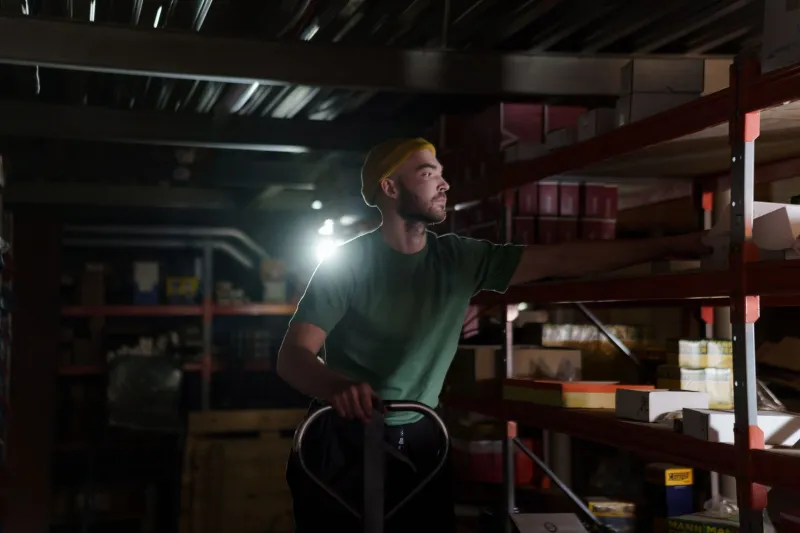
It's instant. It requires no reservation. It works for the nurse coming off a twelve, the forklift operator clocking out at three, and the remote worker who hasn't left the house in two days. Where happy hour demanded you show up somewhere, the draw meets you where you already are — usually with your phone already in your hand.
Payday Timing Isn't an Accident
Here's the part most players never think about: a lot of these draws are scheduled to land right around when money hits accounts. Biweekly pay cycles, Friday direct deposits, the first and the fifteenth — the rhythm of the draw calendar mirrors the rhythm of the American paycheck.
That's not a coincidence. It's a design choice, and it changes behavior in ways players can feel. A draw timed to payday turns a wager into a small weekly celebration — a "this is for surviving the week" spend that feels more like buying a round for the crew than placing a bet.
The flip side, of course, is that a game synced to your paycheck can quietly sync your losses to it too. Budgeting experts will tell you the same thing: decide your number before payday does it for you.
We Asked Around the Break Room
The stories all rhyme. A warehouse crew in Ohio that pools twenty bucks every Friday and texts screenshots of the results to the group chat. A hospital scheduler in Arizona who plays the same four digits — her kids' birthdays in draw order — every afternoon and has never once missed a day in three years. A rideshare driver in Atlanta who says the 4 PM draw is "the only appointment I actually keep."
Notice what's missing from those stories? Nobody mentioned the money first. They mentioned the ritual, the crew, the marking of time.
Scratch-Offs Went Digital, and So Did the Water Cooler Talk
The old version of this ritual was a gas station detour — scratch-offs in the car, a paper ticket folded into a wallet. The new version is faster and, crucially, social. Results get screenshotted. Losses get laughed at in the group chat. Near-misses get the crying-laughing emoji treatment.
Fantasy football used to own this territory: the weekly check-in, the trash talk, the shared stakes that kept a friend group tethered. Number draws have quietly absorbed that job — but daily instead of weekly, and with a lower barrier to entry than memorizing a fantasy roster.
The Finish Line That Resets Every Day
Maybe that's the real appeal. Happy hour came once a week. Fantasy football came once a week during a season that ends. But a draw at the end of every shift gives the work week a rhythm — small finish lines you can actually see, with a little jolt of possibility attached to each one.
Just remember what the ritual is actually for. The numbers are the excuse. The exhale at the end of the shift is the prize. Play like you know the difference, and the Friday feeling can last a whole lot longer than the weekend.